
Council DA vs CDC: Which Path for Your Extension? — Quality outcomes for Which Path for Your Extension? depend on sequencing: design clarity, certified products, licensed trades, and inspections at the right milestones. The sections below follow that order.
In 2024, owners across Tasmania are balancing rising material costs with tighter National Construction Code expectations. For Which Path for Your Extension?, document decisions in writing—drawings, specifications, and inspection hold points—so every trade works from the same brief. TheRenoCo coordinates residential and commercial work from 1/370-380 Cambridge Road, Mornington TAS 7018, Australia, supporting projects in Hobart, Launceston, Clarence, and selected mainland commissions.
Council pathways for Which Path for Your Extension? should be confirmed before demolition; exempt work is narrower than many owners assume.
Key takeaways
- Confirm whether a building permit or planning approval is required before works commence.
- Allow contingency for hidden conditions common in older Tasmanian housing stock.
- Use a detailed specification so quotes for Which Path for Your Extension? are comparable line by line.
- Lodge complete drawings and address information requests promptly to protect programme.
- Book certifier or surveyor stages early to avoid lining trades ahead of inspections.
- Photograph concealed works—structure, membranes, insulation—for future maintenance evidence.
Documentation councils expect for Which Path for Your Extension?
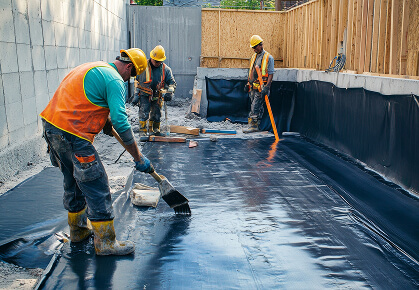
For wet areas, waterproofing membranes must turn up at penetrations and terminate at hobs in accordance with Australian Standards referenced by the National Construction Code. Kitchen workflows should respect clearances between cooktops and combustible finishes, with adequate extraction to the exterior rather than recirculating filters alone. Internal air quality improves when low-VOC paints, adhesives, and sealants are specified, with adequate curing time before occupancy. Neighbour relations benefit from agreed working hours, parking plans, and prompt remediation if vibration or access disputes emerge. Site safety plans must address delivery access, temporary fencing, and neighbour notification when boundary works or crane lifts are proposed. Bathroom renovations demand fall ratios to wastes, compatible tile adhesives for timber substrates, and expansion joints in large format panels. Incomplete soil reports or missing BASIX-style energy data are common reasons Which Path for Your Extension? applications stall in Tasmania.
Independent certifiers or building surveyors may be engaged by Launceston City Council to inspect mandatory stages; factor their attendance into the schedule. Post-handover defect periods should clarify response times, access for rectification, and whether maintenance visits are included or chargeable. Allow contingency of typically ten to fifteen percent for unforeseen conditions in older Tasmania housing stock during Which Path for Your Extension?. Sustainable material choices—recycled timber, low-carbon concrete alternatives, and durable metal roofing—can align Which Path for Your Extension? with long-term environmental goals. Early engagement with a building designer or architect clarifies whether Which Path for Your Extension? triggers planning merit assessment or can be approved as complying development. If you plan to sell within five years, document warranties, compliance certificates, and energy ratings so buyers can verify quality during due diligence.
Granny flat and secondary dwelling rules vary; confirm planning scheme clauses before assuming Which Path for Your Extension? can proceed as exempt development. Smoke alarm locations and interconnection rules must be updated when sleeping areas change during Which Path for Your Extension?. Tying a new extension in Which Path for Your Extension? to existing footings requires engineering input—differential settlement cracks appear when ties are assumed. Solar readiness may include pre-wiring, structural checks for future panel loads, and roof geometry that avoids shading from new second-storey volumes. Concrete cutting and core drilling for services should be located to avoid prestressing strands or reinforcing zones identified in engineering drawings. Before you sign a contract, confirm whether your designer has prepared drawings to a suitable level for Launceston City Council assessment, including existing conditions surveys where overlays apply.
Local conditions in Tasmania and Mornington
Bushfire attack levels can mandate screened vents, toughened glazing, and specific vegetation setbacks surrounding the dwelling. Fixed-price agreements are valuable for Which Path for Your Extension? only when the specification lists finishes, fixtures, allowances, and provisional sums with explicit owner-selection deadlines. Ultimately, Which Path for Your Extension? succeeds when expectations are documented, trades are licensed, and respect for Australian compliance pathways is maintained from day one. Natural light strategies—roof windows, light tubes, and reflective interior palettes—can reduce reliance on artificial lighting after Which Path for Your Extension? is finished. If you occupy the home during works, dust control, temporary kitchen facilities, and secure storage for belongings should be documented before demolition starts. Lining stages should not proceed until frame inspection, wrap installation, and window flashing details are signed off for Which Path for Your Extension?. Insurance policies should be reviewed before works commence; some insurers require notification when floor area increases or when Which Path for Your Extension? alters roof structure. If asbestos-containing materials are suspected in pre-1990 builds, engage licensed assessors before disturbance occurs during Which Path for Your Extension?.
Accessibility features such as level entries, wider doorways, and reinforced bathroom framing are increasingly requested in Which Path for Your Extension? for ageing-in-place design. A post-completion maintenance manual helps owners service coatings, lubricate hardware, and inspect flashings seasonally after Which Path for Your Extension?. Flood overlays may require raised floor levels or flood-compatible materials even when Which Path for Your Extension? appears minor in scope. Services upgrades for Which Path for Your Extension? often include switchboard capacity, sewer junctions, and stormwater capacity reviews. Quality control checklists at pre-line, pre-cover, and final stages reduce rework when multiple trades coordinate on Which Path for Your Extension?.
Termite management systems may need upgrading when external walls are disturbed; local practices in Tasmania favour chemical barriers or stainless mesh where required. Heritage overlays in older Mornington streetscapes may restrict external colour palettes, roof forms, and fence heights even when internal layouts are flexible. On sloping sites common around Hobart, geotechnical advice may be required to confirm footing depths, retaining requirements, and stormwater discharge points. Licensed plumbers and electricians must issue compliance certificates for notifiable work; your builder should coordinate those certificates before lining stages commence. Granny flat and secondary dwelling rules vary; confirm planning scheme clauses before assuming Which Path for Your Extension? can proceed as exempt development.
Licensed plumbers and electricians must issue compliance certificates for notifiable work; your builder should coordinate those certificates before lining stages commence. Coastal wind classifications influence fixing schedules for cladding and roofing when Which Path for Your Extension? is within exposed categories. External decks require durable fixings, stainless where within salt spray zones, and balustrade heights that satisfy current barrier rules. Bushfire attack levels can mandate screened vents, toughened glazing, and specific vegetation setbacks surrounding the dwelling. Selecting local suppliers can shorten lead times, though mainland pricing for bulk materials may still be competitive with freight to Tasmania.
Scope and feasibility for Which Path for Your Extension?
Stormwater must not discharge onto neighbouring properties; upgraded systems may be needed when impervious area increases during Which Path for Your Extension?. Owner-supplied fixtures should arrive before rough-in stages; late deliveries are a frequent cause of programme slip on Which Path for Your Extension? projects. Ultimately, Which Path for Your Extension? succeeds when expectations are documented, trades are licensed, and respect for Australian compliance pathways is maintained from day one. Variation clauses should describe how daywork rates, delay costs, and owner-initiated changes are priced so disputes do not stall progress mid-renovation. Granny flat and secondary dwelling rules vary; confirm planning scheme clauses before assuming Which Path for Your Extension? can proceed as exempt development.
If you are improving energy performance alongside Which Path for Your Extension?, consider how insulation continuity at eaves, slab edges, and window reveals will be achieved without thermal bridges. Post-handover defect periods should clarify response times, access for rectification, and whether maintenance visits are included or chargeable. Moisture management should be treated as non-negotiable: sarking, vapour barriers, and drained cavities are often the difference between a durable result and hidden mould within two winters. Acoustic and fire separation between attached dwellings is critical in duplex and townhouse Which Path for Your Extension? scenarios under separating wall requirements. A realistic programme for Which Path for Your Extension? should include lead times for engineered timber, custom glazing, and items shipped from mainland suppliers during peak demand. Before you sign a contract, confirm whether your designer has prepared drawings to a suitable level for Clarence City Council assessment, including existing conditions surveys where overlays apply.
External decks require durable fixings, stainless where within salt spray zones, and balustrade heights that satisfy current barrier rules. Before Which Path for Your Extension?, obtain a planning property report and speak to a duty planner about overlays affecting your lot. Security of site materials and tools is part of risk management on Which Path for Your Extension?, especially on visible corner blocks in Melbourne. Photographic records of concealed works—framing, insulation, membrane installation—provide evidence if future maintenance questions arise. Understanding Which Path for Your Extension? begins with a clear scope that separates cosmetic upgrades from structural or waterproofing work that triggers compliance pathways under the National Construction Code. Termite management systems may need upgrading when external walls are disturbed; local practices in Tasmania favour chemical barriers or stainless mesh where required. Kitchen workflows should respect clearances between cooktops and combustible finishes, with adequate extraction to the exterior rather than recirculating filters alone. Sustainable material choices—recycled timber, low-carbon concrete alternatives, and durable metal roofing—can align Which Path for Your Extension? with long-term environmental goals.
Design and specification decisions
Early engagement with a building designer or architect clarifies whether Which Path for Your Extension? triggers planning merit assessment or can be approved as complying development. Before Which Path for Your Extension?, obtain a planning property report and speak to a duty planner about overlays affecting your lot. Damp-proof courses and flashing laps are inexpensive to install correctly during Which Path for Your Extension? but expensive to retrofit after cladding is fixed. Smoke alarm locations and interconnection rules must be updated when sleeping areas change during Which Path for Your Extension?. Accessibility features such as level entries, wider doorways, and reinforced bathroom framing are increasingly requested in Which Path for Your Extension? for ageing-in-place design. If neighbour notification applies to Which Path for Your Extension?, respond to submissions early with revised shadow diagrams or acoustic notes.
Lining stages should not proceed until frame inspection, wrap installation, and window flashing details are signed off for Which Path for Your Extension?. Variation clauses should describe how daywork rates, delay costs, and owner-initiated changes are priced so disputes do not stall progress mid-renovation. Sound transmission between rooms can be improved with insulation batts, resilient mounts, and sealed penetrations when Which Path for Your Extension? includes media rooms or home offices. Communication rhythms—weekly site meetings, shared photo logs, and single point of contact—keep decision latency low for remote owners. If neighbour notification applies to Which Path for Your Extension?, respond to submissions early with revised shadow diagrams or acoustic notes. Many Tasmanian homes combine weatherboard cladding, brick veneer, and mid-century concrete slabs, so Which Path for Your Extension? must account for differential movement and salt exposure near coastal corridors. Services upgrades for Which Path for Your Extension? often include switchboard capacity, sewer junctions, and stormwater capacity reviews.
When selecting external colours, trial samples on north and south elevations because Tasmanian light angles exaggerate contrast compared with mainland perceptions. For wet areas, waterproofing membranes must turn up at penetrations and terminate at hobs in accordance with Australian Standards referenced by the National Construction Code. Fixed-price agreements are valuable for Which Path for Your Extension? only when the specification lists finishes, fixtures, allowances, and provisional sums with explicit owner-selection deadlines. Accessibility features such as level entries, wider doorways, and reinforced bathroom framing are increasingly requested in Which Path for Your Extension? for ageing-in-place design. Structural engineers can advise on opening walls, supporting new point loads, and tying additions to existing footings when Which Path for Your Extension? involves layout changes. Before you sign a contract, confirm whether your designer has prepared drawings to a suitable level for Launceston City Council assessment, including existing conditions surveys where overlays apply. Ventilated roof spaces reduce condensation risk when ceiling insulation is increased during Which Path for Your Extension?, particularly where halogen fittings are replaced with sealed LED modules.
Structural ties and services upgrades
Termite management systems may need upgrading when external walls are disturbed; local practices in Tasmania favour chemical barriers or stainless mesh where required. External decks require durable fixings, stainless where within salt spray zones, and balustrade heights that satisfy current barrier rules. Tax and depreciation treatment for investment properties may differ from owner-occupier scenarios; seek professional advice when Which Path for Your Extension? is capital in nature. If you plan to sell within five years, document warranties, compliance certificates, and energy ratings so buyers can verify quality during due diligence. Practical completion is not merely handover of keys: it includes workable services, completed balustrades, compliant smoke alarms, and agreed defect lists with timeframes. Internal air quality improves when low-VOC paints, adhesives, and sealants are specified, with adequate curing time before occupancy. For wet areas, waterproofing membranes must turn up at penetrations and terminate at hobs in accordance with Australian Standards referenced by the National Construction Code. If asbestos-containing materials are suspected in pre-1990 builds, engage licensed assessors before disturbance occurs during Which Path for Your Extension?.
Understanding Which Path for Your Extension? begins with a clear scope that separates cosmetic upgrades from structural or waterproofing work that triggers compliance pathways under the National Construction Code. Before Which Path for Your Extension?, obtain a planning property report and speak to a duty planner about overlays affecting your lot. Comparing quotes for Which Path for Your Extension? requires identical inclusions: one estimate that omits site establishment or asbestos clearance will appear cheaper but cost more later. Internal air quality improves when low-VOC paints, adhesives, and sealants are specified, with adequate curing time before occupancy. External decks require durable fixings, stainless where within salt spray zones, and balustrade heights that satisfy current barrier rules. Coastal wind classifications influence fixing schedules for cladding and roofing when Which Path for Your Extension? is within exposed categories. Selecting local suppliers can shorten lead times, though mainland pricing for bulk materials may still be competitive with freight to Tasmania.
Acoustic and fire separation between attached dwellings is critical in duplex and townhouse Which Path for Your Extension? scenarios under separating wall requirements. Tax and depreciation treatment for investment properties may differ from owner-occupier scenarios; seek professional advice when Which Path for Your Extension? is capital in nature. Heritage overlays in older Sydney streetscapes may restrict external colour palettes, roof forms, and fence heights even when internal layouts are flexible. When selecting external colours, trial samples on north and south elevations because Tasmanian light angles exaggerate contrast compared with mainland perceptions. Natural light strategies—roof windows, light tubes, and reflective interior palettes—can reduce reliance on artificial lighting after Which Path for Your Extension? is finished. Communication rhythms—weekly site meetings, shared photo logs, and single point of contact—keep decision latency low for remote owners. Selecting local suppliers can shorten lead times, though mainland pricing for bulk materials may still be competitive with freight to Tasmania.
Compliance pathways under Australian standards
Services upgrades for Which Path for Your Extension? often include switchboard capacity, sewer junctions, and stormwater capacity reviews. Stormwater must not discharge onto neighbouring properties; upgraded systems may be needed when impervious area increases during Which Path for Your Extension?. External decks require durable fixings, stainless where within salt spray zones, and balustrade heights that satisfy current barrier rules. Before you sign a contract, confirm whether your designer has prepared drawings to a suitable level for your local council assessment, including existing conditions surveys where overlays apply. Fixed-price agreements are valuable for Which Path for Your Extension? only when the specification lists finishes, fixtures, allowances, and provisional sums with explicit owner-selection deadlines.
Granny flat and secondary dwelling rules vary; confirm planning scheme clauses before assuming Which Path for Your Extension? can proceed as exempt development. Allow contingency of typically ten to fifteen percent for unforeseen conditions in older Tasmania housing stock during Which Path for Your Extension?. Coastal wind classifications influence fixing schedules for cladding and roofing when Which Path for Your Extension? is within exposed categories. Acoustic and fire separation between attached dwellings is critical in duplex and townhouse Which Path for Your Extension? scenarios under separating wall requirements. Sustainable material choices—recycled timber, low-carbon concrete alternatives, and durable metal roofing—can align Which Path for Your Extension? with long-term environmental goals. Accessibility features such as level entries, wider doorways, and reinforced bathroom framing are increasingly requested in Which Path for Your Extension? for ageing-in-place design.
Insurance policies should be reviewed before works commence; some insurers require notification when floor area increases or when Which Path for Your Extension? alters roof structure. External decks require durable fixings, stainless where within salt spray zones, and balustrade heights that satisfy current barrier rules. Understanding Which Path for Your Extension? begins with a clear scope that separates cosmetic upgrades from structural or waterproofing work that triggers compliance pathways under the National Construction Code. Solar readiness may include pre-wiring, structural checks for future panel loads, and roof geometry that avoids shading from new second-storey volumes. Before you sign a contract, confirm whether your designer has prepared drawings to a suitable level for your local council assessment, including existing conditions surveys where overlays apply.
Assessment timelines and referral triggers
A realistic programme for Which Path for Your Extension? should include lead times for engineered timber, custom glazing, and items shipped from mainland suppliers during peak demand. Fixed-price agreements are valuable for Which Path for Your Extension? only when the specification lists finishes, fixtures, allowances, and provisional sums with explicit owner-selection deadlines. When selecting external colours, trial samples on north and south elevations because Tasmanian light angles exaggerate contrast compared with mainland perceptions. Variation clauses should describe how daywork rates, delay costs, and owner-initiated changes are priced so disputes do not stall progress mid-renovation. Allow contingency of typically ten to fifteen percent for unforeseen conditions in older Tasmania housing stock during Which Path for Your Extension?. Post-handover defect periods should clarify response times, access for rectification, and whether maintenance visits are included or chargeable.
Post-handover defect periods should clarify response times, access for rectification, and whether maintenance visits are included or chargeable. Site safety plans must address delivery access, temporary fencing, and neighbour notification when boundary works or crane lifts are proposed. Damp-proof courses and flashing laps are inexpensive to install correctly during Which Path for Your Extension? but expensive to retrofit after cladding is fixed. Allow contingency of typically ten to fifteen percent for unforeseen conditions in older Tasmania housing stock during Which Path for Your Extension?. Insurance policies should be reviewed before works commence; some insurers require notification when floor area increases or when Which Path for Your Extension? alters roof structure. Neighbour relations benefit from agreed working hours, parking plans, and prompt remediation if vibration or access disputes emerge. Natural light strategies—roof windows, light tubes, and reflective interior palettes—can reduce reliance on artificial lighting after Which Path for Your Extension? is finished. A post-completion maintenance manual helps owners service coatings, lubricate hardware, and inspect flashings seasonally after Which Path for Your Extension?.
Deep dive: approvals and documentation
If neighbour notification applies to Which Path for Your Extension?, respond to submissions early with revised shadow diagrams or acoustic notes. Acoustic and fire separation between attached dwellings is critical in duplex and townhouse Which Path for Your Extension? scenarios under separating wall requirements. Selecting local suppliers can shorten lead times, though mainland pricing for bulk materials may still be competitive with freight to Tasmania. Site safety plans must address delivery access, temporary fencing, and neighbour notification when boundary works or crane lifts are proposed. Understanding Which Path for Your Extension? begins with a clear scope that separates cosmetic upgrades from structural or waterproofing work that triggers compliance pathways under the National Construction Code. When selecting external colours, trial samples on north and south elevations because Tasmanian light angles exaggerate contrast compared with mainland perceptions. Insurance policies should be reviewed before works commence; some insurers require notification when floor area increases or when Which Path for Your Extension? alters roof structure.
Photographic records of concealed works—framing, insulation, membrane installation—provide evidence if future maintenance questions arise. Kitchen workflows should respect clearances between cooktops and combustible finishes, with adequate extraction to the exterior rather than recirculating filters alone. Neighbour relations benefit from agreed working hours, parking plans, and prompt remediation if vibration or access disputes emerge. Bushfire attack levels can mandate screened vents, toughened glazing, and specific vegetation setbacks surrounding the dwelling. Allow contingency of typically ten to fifteen percent for unforeseen conditions in older Tasmania housing stock during Which Path for Your Extension?. Structural engineers can advise on opening walls, supporting new point loads, and tying additions to existing footings when Which Path for Your Extension? involves layout changes. A post-completion maintenance manual helps owners service coatings, lubricate hardware, and inspect flashings seasonally after Which Path for Your Extension?.
Structural engineers can advise on opening walls, supporting new point loads, and tying additions to existing footings when Which Path for Your Extension? involves layout changes. A realistic programme for Which Path for Your Extension? should include lead times for engineered timber, custom glazing, and items shipped from mainland suppliers during peak demand. Natural light strategies—roof windows, light tubes, and reflective interior palettes—can reduce reliance on artificial lighting after Which Path for Your Extension? is finished. Understanding Which Path for Your Extension? begins with a clear scope that separates cosmetic upgrades from structural or waterproofing work that triggers compliance pathways under the National Construction Code. Services upgrades for Which Path for Your Extension? often include switchboard capacity, sewer junctions, and stormwater capacity reviews. If you occupy the home during works, dust control, temporary kitchen facilities, and secure storage for belongings should be documented before demolition starts. Communication rhythms—weekly site meetings, shared photo logs, and single point of contact—keep decision latency low for remote owners. On sloping sites common around Launceston, geotechnical advice may be required to confirm footing depths, retaining requirements, and stormwater discharge points.
Ventilated roof spaces reduce condensation risk when ceiling insulation is increased during Which Path for Your Extension?, particularly where halogen fittings are replaced with sealed LED modules. Licensed plumbers and electricians must issue compliance certificates for notifiable work; your builder should coordinate those certificates before lining stages commence. Independent certifiers or building surveyors may be engaged by Launceston City Council to inspect mandatory stages; factor their attendance into the schedule. Allow contingency of typically ten to fifteen percent for unforeseen conditions in older Tasmania housing stock during Which Path for Your Extension?. If asbestos-containing materials are suspected in pre-1990 builds, engage licensed assessors before disturbance occurs during Which Path for Your Extension?.
Frequently asked questions
Can exempt development apply to Which Path for Your Extension??
Communication rhythms—weekly site meetings, shared photo logs, and single point of contact—keep decision latency low for remote owners. For wet areas, waterproofing membranes must turn up at penetrations and terminate at hobs in accordance with Australian Standards referenced by the National Construction Code. Before Which Path for Your Extension?, obtain a planning property report and speak to a duty planner about overlays affecting your lot. Neighbour relations benefit from agreed working hours, parking plans, and prompt remediation if vibration or access disputes emerge. Post-handover defect periods should clarify response times, access for rectification, and whether maintenance visits are included or chargeable. Flood overlays may require raised floor levels or flood-compatible materials even when Which Path for Your Extension? appears minor in scope. Independent certifiers or building surveyors may be engaged by Clarence City Council to inspect mandatory stages; factor their attendance into the schedule.
How long should I allow for Which Path for Your Extension? from design to handover?
If you are improving energy performance alongside Which Path for Your Extension?, consider how insulation continuity at eaves, slab edges, and window reveals will be achieved without thermal bridges. Security of site materials and tools is part of risk management on Which Path for Your Extension?, especially on visible corner blocks in Devonport. If asbestos-containing materials are suspected in pre-1990 builds, engage licensed assessors before disturbance occurs during Which Path for Your Extension?. When selecting external colours, trial samples on north and south elevations because Tasmanian light angles exaggerate contrast compared with mainland perceptions. Allow contingency of typically ten to fifteen percent for unforeseen conditions in older Tasmania housing stock during Which Path for Your Extension?. For wet areas, waterproofing membranes must turn up at penetrations and terminate at hobs in accordance with Australian Standards referenced by the National Construction Code.
When is a structural engineer required for Which Path for Your Extension??
Communication rhythms—weekly site meetings, shared photo logs, and single point of contact—keep decision latency low for remote owners. Accessibility features such as level entries, wider doorways, and reinforced bathroom framing are increasingly requested in Which Path for Your Extension? for ageing-in-place design. If asbestos-containing materials are suspected in pre-1990 builds, engage licensed assessors before disturbance occurs during Which Path for Your Extension?. Lining stages should not proceed until frame inspection, wrap installation, and window flashing details are signed off for Which Path for Your Extension?. Neighbour relations benefit from agreed working hours, parking plans, and prompt remediation if vibration or access disputes emerge. Independent certifiers or building surveyors may be engaged by your local council to inspect mandatory stages; factor their attendance into the schedule. Owner-supplied fixtures should arrive before rough-in stages; late deliveries are a frequent cause of programme slip on Which Path for Your Extension? projects. Comparing quotes for Which Path for Your Extension? requires identical inclusions: one estimate that omits site establishment or asbestos clearance will appear cheaper but cost more later.
Can Which Path for Your Extension? proceed in winter without quality issues?
Lining stages should not proceed until frame inspection, wrap installation, and window flashing details are signed off for Which Path for Your Extension?. Neighbour relations benefit from agreed working hours, parking plans, and prompt remediation if vibration or access disputes emerge. Incomplete soil reports or missing BASIX-style energy data are common reasons Which Path for Your Extension? applications stall in Tasmania. Insurance policies should be reviewed before works commence; some insurers require notification when floor area increases or when Which Path for Your Extension? alters roof structure. Ventilated roof spaces reduce condensation risk when ceiling insulation is increased during Which Path for Your Extension?, particularly where halogen fittings are replaced with sealed LED modules. Many Tasmanian homes combine weatherboard cladding, brick veneer, and mid-century concrete slabs, so Which Path for Your Extension? must account for differential movement and salt exposure near coastal corridors. Variation clauses should describe how daywork rates, delay costs, and owner-initiated changes are priced so disputes do not stall progress mid-renovation. Structural engineers can advise on opening walls, supporting new point loads, and tying additions to existing footings when Which Path for Your Extension? involves layout changes.
What certificates should I receive at practical completion?
Structural engineers can advise on opening walls, supporting new point loads, and tying additions to existing footings when Which Path for Your Extension? involves layout changes. Understanding Which Path for Your Extension? begins with a clear scope that separates cosmetic upgrades from structural or waterproofing work that triggers compliance pathways under the National Construction Code. Solar readiness may include pre-wiring, structural checks for future panel loads, and roof geometry that avoids shading from new second-storey volumes. Before you sign a contract, confirm whether your designer has prepared drawings to a suitable level for Clarence City Council assessment, including existing conditions surveys where overlays apply. Smoke alarm locations and interconnection rules must be updated when sleeping areas change during Which Path for Your Extension?. Licensed plumbers and electricians must issue compliance certificates for notifiable work; your builder should coordinate those certificates before lining stages commence. Moisture management should be treated as non-negotiable: sarking, vapour barriers, and drained cavities are often the difference between a durable result and hidden mould within two winters.
Do I need a building permit for Which Path for Your Extension? in Tasmania?
Acoustic and fire separation between attached dwellings is critical in duplex and townhouse Which Path for Your Extension? scenarios under separating wall requirements. Selecting local suppliers can shorten lead times, though mainland pricing for bulk materials may still be competitive with freight to Tasmania. Damp-proof courses and flashing laps are inexpensive to install correctly during Which Path for Your Extension? but expensive to retrofit after cladding is fixed. Smoke alarm locations and interconnection rules must be updated when sleeping areas change during Which Path for Your Extension?. Granny flat and secondary dwelling rules vary; confirm planning scheme clauses before assuming Which Path for Your Extension? can proceed as exempt development. On sloping sites common around Sydney, geotechnical advice may be required to confirm footing depths, retaining requirements, and stormwater discharge points.
Final thoughts
Treat Which Path for Your Extension? as a series of verified milestones rather than a single payment, and you will reduce rework and dispute risk. Council DA vs CDC: Which Path for Your Extension? sits within a wider obligation to build safely under the National Construction Code and local planning rules.
To discuss Which Path for Your Extension? with our team, email admin@therenoco.net.au or visit 1/370-380 Cambridge Road, Mornington TAS 7018, Australia.